Source Stainless Steel Blood Bank Fridge for Labs, Clinics, Hospitals
Find and compare 30 stainless steel blood bank fridge models from verified Chinese manufacturers. Evaluate key specifications such as temperature control, cooling capacity, and material quality to select the right unit for your medical storage needs; compare the available evidence and request quotations based on your requirements.
Key considerations
Products List


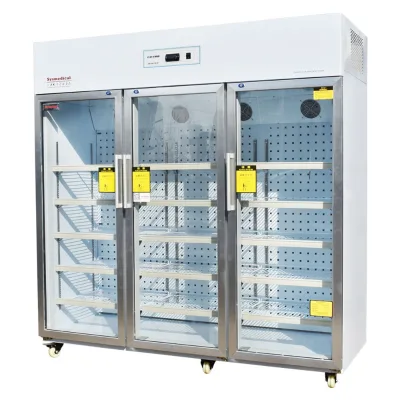


Comprehensive Sourcing Guide
Stainless Steel Blood Bank Fridge Sourcing Guide
Procuring a stainless steel blood bank fridge requires careful attention to the specific model numbers and standard configurations available in the current market. Buyers should verify that the unit matches the observed product models such as BXC-V250B, BBR-4V310, or HLC-360, as these identifiers often dictate the internal capacity and cooling architecture. The presence of specific standards like BXC-V250B or BBR-4V310 in the listing confirms the manufacturer's adherence to a defined production template rather than a generic design.
When evaluating the physical construction, the distinction between the exterior galvanized sheet and the interior 304 stainless steel is critical for long-term hygiene and corrosion resistance. The observed listings indicate that the interior material is consistently 304 stainless steel, which is essential for maintaining the sterility required for blood storage. Buyers must ensure that the specific unit they select explicitly states this material composition to avoid purchasing models with inferior linings that could compromise the integrity of the stored biological products.
Product Scope and Observed Listing Signals
The observed product range includes vertical freezers and cryobiology cooling devices with capacities ranging from 360 liters to larger configurations, reflecting the diverse needs of medical facilities. Listings show that these units often feature forced-air cooling systems and specific refrigerants like R134A, which are standard for maintaining the precise temperature ranges required for blood preservation. The capacity of 360 liters is a common benchmark, allowing for the storage of approximately 132 blood bags of 450ml each, which helps buyers estimate their inventory throughput.
Packaging methods vary significantly between suppliers, with options including cartons, wooden boxes, and plywood boxes, which directly impacts shipping costs and protection during transit. The observed data indicates that some models are packed in wooden boxes while others use plywood, suggesting that buyers must clarify the packaging standard to ensure the unit arrives without damage. Additionally, the overall dimensions, such as 5406401530 mm or 595X605X1940 mm, must be measured against the available floor space in the medical facility to ensure proper installation and airflow.
Technical Specifications to Verify
Temperature control is the most critical technical specification, with observed units offering ranges from 2°C to 8°C or 4+/-1 Degree, depending on the specific model and intended use. Buyers must verify that the thermostat is electronic and that the unit includes an audible and visual alarm function for high and low temperatures to ensure immediate notification of any deviations. The ambient temperature range of 16-32°C is also a key constraint, meaning the unit must be installed in a climate-controlled environment to maintain optimal performance and energy efficiency.
The cooling system components, such as the condensing fan, should be verified for brand and reliability, with some listings specifying the use of Germany Ebm Brand Fans for superior durability. Input power ratings of 300W and voltage requirements of 220V/50Hz are standard, but buyers should confirm these match their local electrical infrastructure to prevent operational failures. The interior size of 432462978mm or 515X510X1405mm determines the actual usable volume, so procurement teams must calculate the exact storage needs before finalizing the purchase to avoid under-sizing the equipment.
Compliance and Safety Documentation
Certification status is a primary indicator of safety and regulatory compliance, with CE certification being a documented attribute for the observed product listings. Buyers should request the official CE certificate and verify that it covers the specific model number and voltage configuration to ensure the unit meets European safety standards. While ISO 9001 and ISO 13485 are mentioned in background knowledge, they should not be assumed without explicit documentation from the supplier, as their absence does not necessarily indicate non-compliance but requires further inquiry.
Safety features such as over-temperature alarms and dual visual and audible alerts are essential for protecting the blood inventory from spoilage due to power fluctuations or mechanical failure. The presence of these alarm functions must be confirmed in the technical datasheet, as they are critical for maintaining the chain of custody and integrity of the stored blood products. Buyers should also verify that the unit's design includes a reliable locking mechanism and that the door seals are intact to prevent external contamination and maintain the internal temperature stability.
Cost Drivers and Commercial Terms
The price range for these units is broad, observed between 1 and 5000 USD, driven by factors such as capacity, material quality, and the inclusion of advanced features like electronic thermostats. Buyers should understand that the cost difference often reflects the quality of the stainless steel, the brand of the compressor or fan, and the complexity of the cooling system rather than just the physical size. It is essential to request a detailed breakdown of the price to identify if the cost includes the specific packaging type, such as a wooden box or plywood crate, which can add significant value to the shipping protection.
Minimum Order Quantities (MOQ) are typically low, ranging from 1 to 3 units, making these products accessible for individual hospitals or small clinics without requiring bulk purchasing commitments. However, buyers must clarify the lead time and shipping terms, as the origin is listed as China or Zhejiang, China, which may affect delivery schedules and import duties. Customization options are available for some models, which can influence the final price and lead time, so procurement teams should confirm if any custom modifications are required before placing the order.
Supplier Qualification and Quality Control
Supplier qualification should focus on verifying the origin of the product, with most listings indicating production in Mainland China or specifically Zhejiang, China. Buyers must ensure that the supplier can provide proof of the manufacturing location and that the production facility adheres to the stated standards for stainless steel construction and assembly. The availability of customization suggests that the supplier has the flexibility to meet specific requirements, but this capability should be validated through a pre-production sample or a detailed factory audit.
Quality control processes must be explicitly defined, particularly regarding the testing of the temperature range and the functionality of the alarm systems before shipment. Buyers should request test reports that confirm the unit can maintain the specified temperature range of 2°C to 8°C under the stated ambient conditions of 16-32°C. The net weight of the unit, such as 83kg, is also a useful metric for verifying the density and quality of the materials used, ensuring that the unit is robust enough for long-term medical use.
Long-Term Procurement Checks
Long-term procurement success depends on establishing a clear maintenance plan and verifying the availability of spare parts for the specific model, such as the BXC-V250B or HLC-360. Buyers should confirm that the supplier offers a warranty period and has a network of technicians capable of servicing the electronic thermostat and condensing fan systems. The use of specific components like the Germany Ebm Brand Fan suggests that replacement parts may be proprietary, so securing a supply chain for these components is vital for minimizing downtime.
Regular performance checks should be scheduled to ensure the unit continues to meet the required temperature range and alarm functionality over time. Buyers should implement a protocol for monitoring the ambient temperature and the internal temperature logs to detect any gradual drift in performance that could indicate a failing component. The shelf and drawer configuration, such as four shelves, should be inspected for wear and tear, and the stainless steel interior should be cleaned regularly to prevent corrosion and maintain the hygiene standards required for blood storage.
FAQs
What is the temperature range for this stainless steel blood bank fridge?
The unit maintains a precise temperature range of 2°C to 8°C, which is adjustable to meet specific storage requirements. This controlled environment ensures the integrity of blood products and biological samples during long-term storage in clinical or laboratory settings.
Can the stainless steel blood bank fridge be customized for specific needs?
Yes, customization is available for this vertical freezer model. Buyers can request tailored specifications to align with unique operational workflows, ensuring the equipment integrates seamlessly into existing medical infrastructure while maintaining compliance with standard safety and performance protocols.
What is the cooling method used in this stainless steel blood bank fridge?
The device utilizes forced-air cooling to ensure uniform temperature distribution throughout the interior. This method prevents hot spots and maintains consistent thermal conditions, which is critical for preserving the viability of sensitive blood bags and medical supplies stored inside.
Which certification does this stainless steel blood bank fridge hold?
The product holds CE certification, indicating compliance with European health, safety, and environmental protection standards. This certification assures buyers of the unit's quality and reliability, making it suitable for use in regulated medical environments across various international markets.
What is the interior material of this stainless steel blood bank fridge?
The interior is constructed from 304 stainless steel, providing a durable and hygienic surface. This material resists corrosion and is easy to clean, ensuring a sterile environment for storing blood products and preventing contamination during routine maintenance and daily operations.
How many blood bags can this stainless steel blood bank fridge hold?
The unit can store up to 132 blood bags of 450ml capacity. This generous volume, combined with four internal shelves, allows for efficient organization and maximizes storage space, making it ideal for hospitals and blood banks with high throughput requirements.